
AceHawky
Choosing the right warning lamps is critical for safety in various situations. These devices play a vital role in alerting people to potential hazards. When selecting warning lamps, you must consider multiple factors to ensure effectiveness and reliability.
Deciding on the best warning lamps requires understanding their features and functions. Different environments may demand specific types of lighting. For example, construction zones may benefit from bright, flashing LEDs, while emergency vehicles may need rotating beacons. Each application has unique needs, shaping your choice.
It's also important to reflect on your needs. Are the lamps durable enough? Do they offer adequate visibility? Missing these aspects can lead to safety lapses. In an era where safety standards are paramount, ensure your selection adheres to established guidelines. Emphasizing quality over cost can yield long-term benefits. Overall, making an informed decision about warning lamps enhances safety for everyone involved.
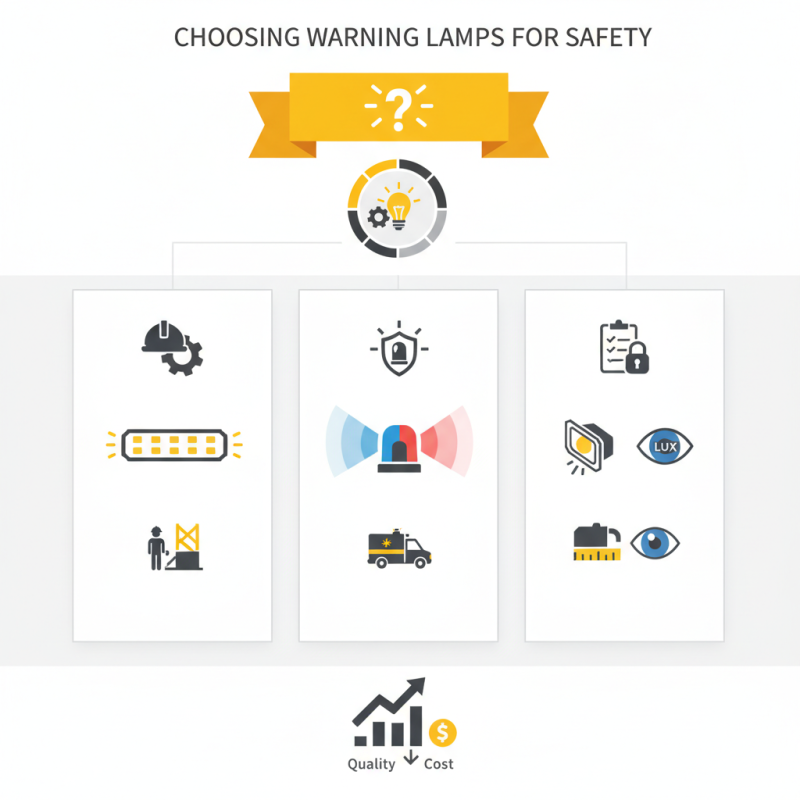
Warning lamps play a crucial role in safety across various industries, providing vital visual signals for hazard awareness. Understanding the different types of warning lamps can enhance workplace safety.
One common type is the rotating beacon, often seen on emergency vehicles. These lamps work effectively in alerting people to imminent danger. According to a report by the National Safety Council, rotating beacons improve visibility by up to 75% in low-light conditions. Flashing LED lights are also prevalent. They consume less energy and last longer than traditional bulbs. Their effectiveness in crowded environments is well-documented.
Tip: Ensure your warning lamps meet local safety regulations. Regular checks for functionality are essential. This prevents potential failures during crucial moments.
Another category includes strobe lights. They emit rapid bursts of light and are effective for outdoor use. Research from the Institute of Electrical and Electronics Engineers highlights their ability to attract attention from long distances. However, reliance solely on strobe lights may cause visual fatigue for some individuals. This aspect should not be overlooked during selection.
Tip: Combine different types of warning lamps for optimal safety. A mixed approach caters to various visibility needs. Consider potential distractions caused by excessive lighting as well.
When selecting warning lamps, several critical features should be evaluated to ensure safety and effectiveness. Light intensity is paramount; according to the National Fire Protection Association, visibility is a key factor in preventing accidents. Look for lamps with high lumens that can be seen from a distance. In testing, lamps with 1,000 lumens are typically visible up to 1 mile away in clear conditions.
The type of light source should also be considered. LED lamps are often favored for their longevity and energy efficiency. Reports indicate that LEDs consume 75% less energy than traditional bulbs and last up to 25 times longer. This means lower operational costs and less frequent replacements.
Durability is essential for warning lamps. Many products fall short during extreme weather conditions. Opt for lamps rated for outdoor use, with a robust casing that can withstand rain, snow, and UV radiation. Ignoring these details can lead to failures when they are needed most. Regular maintenance checks can also highlight issues before they turn critical.
When selecting the right warning lamps for safety, brightness and visibility are key factors. Studies show that brightness is measured in lumens. A higher lumen count directly correlates with better visibility, especially in low-light conditions. For example, warning lamps designed for emergency vehicles typically emit at least 2000 lumens. This ensures that they can be seen from a distance of over 500 feet at night, providing critical safety for both responders and the public.
Color also significantly influences visibility. Research indicates that amber and red lights are more noticeable in adverse weather conditions like rain and fog. A visibility study found that lights with a color temperature around 6000K achieved higher recognition rates compared to other colors. Furthermore, the positioning of the lamp matters. High-mounted lamps are often seen more easily than those mounted lower. A lamp installed at eye level can be obstructed by nearby vehicles or road signs.
Reflective quality is another technical aspect often overlooked. Warning lamps with higher reflectivity ratios enhance visibility during the day. Some reports state a reflectivity increase of 30% can improve safety in bright conditions. While these factors are crucial, there are exceptions. Some environments may require unique considerations. Adjustments may be necessary based on specific field applications, highlighting the need for thorough assessments.
When choosing warning lamps, understanding safety standards is crucial. These regulations dictate lamp brightness, visibility range, and color consistency. Knowing which standards apply ensures your selection provides adequate safety. Regulators often set criteria based on the environment. For instance, outdoor and indoor settings may require different specifications.
It's important to recognize that compliance does not guarantee effectiveness. Some warning lamps might meet minimum standards but still lack practical usability. Consider the context where the lamp will be used. A flashing red lamp may be effective in some scenarios but problematic in others, like residential areas. Testing in various conditions can reveal its true performance.
Staying informed about updates to safety standards is essential. Regulations evolve with technological advancements and changing safety needs. Regularly checking for revisions can aid in maintaining reliability. Remember, the best choice should align with both safety and practical needs.
| Feature | Description | Safety Standards/Regulations | Recommended Types |
|---|---|---|---|
| Light Output | Determines visibility in different conditions | ANSI/ISEA 107, ISO 20471 | LED, Xenon |
| Color | Different colors signify different warnings | FMVSS 108 | Amber, Red, Blue |
| Environment Resistance | Resistance to water, dust, and temperature | IP Rating, NEMA ratings | Industrial Grade, Waterproof |
| Mounting Options | Supports various installation types | Compliance with local standards | Magnetic, Fixed, Rechargeable |
| Battery Life | Duration of use before recharging | UN38.3, IEC 62133 | Rechargeable, Long-life Batteries |
When it comes to using warning lamps, proper maintenance is crucial for ensuring safety and longevity. Regularly check the lamps for any signs of wear or damage. This visual inspection helps catch problems early. Dust and dirt can accumulate, diminishing visibility. Clean the lenses regularly with a soft cloth to maintain clarity.
Storing warning lamps correctly is also important. Extremes in temperature can harm their components. Find a cool, dry place for storage when not in use. Avoid leaving them exposed to harsh weather conditions. If the lamps are portable, use carrying cases to prevent accidental damage.
Power sources should be checked consistently. Ensure that batteries are fresh and that any electrical connections are secure. Weak power can lead to flickering, reducing their effectiveness. Replace any faulty parts promptly, as they can compromise the safety features of the lights. Contemplating these maintenance tips will enhance reliability and improve overall performance.
This chart compares the lifespan of different types of warning lamps commonly used for safety. LED lamps are the most durable, while incandescent lamps have the shortest lifespan. Consider these factors when choosing warning lamps for longevity and reliability.
: Evaluate light intensity, type of light source, and durability to ensure safety.
Higher lumens improve visibility, crucial for accident prevention, especially in low-light conditions.
LED lamps are favored for longevity, energy efficiency, and lower operational costs.
Choose lamps rated for outdoor use to endure rain, snow, and UV radiation effectively.
Amber and red lights are more noticeable in adverse weather, improving safety during emergencies.
Regularly check for wear, clean lenses, and ensure secure power sources to maintain effectiveness.
Install lamps at high positions for better visibility; low-mounted lamps may be obstructed.
Store in a cool, dry place to avoid damage from extreme temperatures and weather.
Regular maintenance checks and using carrying cases can prevent accidental damage and ensure longevity.
Neglecting maintenance can lead to failures, especially when lamps are needed most.
When selecting warning lamps for safety applications, it is essential to understand the various types available and their specific uses. Different warning lamps serve distinct purposes, from traffic safety to industrial signaling. Key features to consider include brightness, durability, and energy efficiency, all of which play a significant role in the effectiveness of the warning lamps.
Furthermore, factors such as ambient light conditions can influence visibility, making it crucial to choose lamps that offer optimal brightness in diverse environments. Compliance with safety standards and regulations ensures reliability and performance, which should always be a priority. Lastly, proper maintenance and care can extend the lifespan of warning lamps, ensuring they remain effective tools for enhancing safety in any setting.
