
AceHawky
Choosing the right equipment is crucial for successful hunting. Middle Range Scopes offer a perfect combination of performance and affordability. They provide clarity and precision without the price tag of high-end models. Many hunters find that these scopes enhance their shooting experience significantly.
When selecting Middle Range Scopes, experience counts. The scope should match your specific needs and preferences. Consider factors such as magnification, reticle type, and durability. Not all scopes are created equal, and what works for one hunter may not suit another.
Take your time and research before making a decision. It’s essential to weigh the pros and cons carefully. Sometimes, overspending on features you may never use is tempting. Reflecting on your past experiences can guide you toward the best choice. Ensure that your scope is reliable and meets all your hunting requirements.
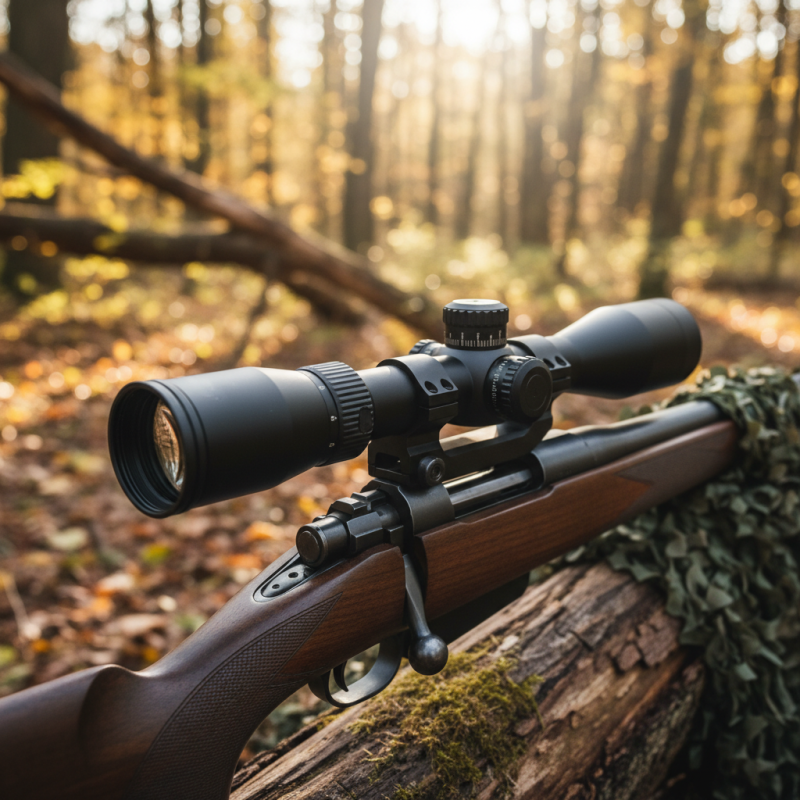
When selecting middle range scopes for hunting, understanding the types available is crucial. Scopes can vary widely in purpose and design. Most hunters prefer variable scopes for their versatility. They allow you to adjust magnification based on your environment.
Fixed magnification scopes, while simpler, can be advantageous for certain situations. Each type has its own merits.
Choosing the right scope also means paying attention to the reticle. A clearer reticle increases accuracy. Some hunters prefer illuminated reticles for low-light conditions. Others may choose simpler crosshairs for rapid targeting. The size and weight of the scope can significantly impact your hunting experience. A heavier scope may be stable but can strain your arm during long hikes.
Tip 1: Always consider the terrain. A lightweight scope can make a difference in mountainous areas.
Tip 2: Test the scope at different distances before your hunting trip. This practice builds familiarity. Lastly, don’t forget about the eye relief. A good eye relief prevents injuries from recoil. Ensure your scope meets your personal comfort and safety needs.
When selecting a middle range scope for hunting, key features are essential. One major aspect to consider is magnification power. Higher magnification allows for better targeting, especially in open areas. However, excessive power can limit your field of view. A balanced range, such as 3-9x or 4-12x, often works well for diverse hunting scenarios.
Another important feature is the reticle type. Different reticle designs serve various purposes. A simple crosshair can provide quick targeting, while a ballistic reticle helps with longer distances. Choosing the right reticle depends on your hunting style and the distances you plan to shoot. Clarity of the lens also matters. Quality optics can make a difference in low light conditions. Even the best scope can fail if the optics are subpar.
Durability and waterproofing are crucial for outdoor use. Scopes may face rough handling or inclement weather during hunts. A robust construction ensures longevity. Not all scopes are created equally; some may not withstand harsh conditions. Evaluate the materials and warranty before making a decision. Take your time to reflect on these features. They can significantly impact your hunting experience.
When selecting middle-range scopes for hunting, optical quality and clarity are essential. A scope's lens should offer bright images even in low light. Look for fully multi-coated lenses. These coatings enhance light transmission and reduce glare, making it easier to see targets in varying conditions.
Eye relief is also crucial. It determines how far you must position your eye from the scope. A longer eye relief helps prevent injury from recoil. However, some hunters overlook this factor, leading to discomfort and poor accuracy. Testing several scopes in person can reveal how well they fit your needs.
Lastly, consider the reticle style. A clear, defined reticle aids accuracy but may not suit everyone's preference. Experiment with different types to find what works for you. Remember, even minor details can significantly impact your hunting experience.
When selecting middle range scopes for hunting, durability and weather resistance are crucial aspects. Scopes often face harsh conditions. Ensuring they withstand rain, fog, and extreme temperatures is essential. A scope built with quality materials can resist scratches and impacts.
Tips for assessing durability include examining the outer casing. Look for a robust and shockproof design. Check if the scope is nitrogen-purged to prevent fogging. This feature keeps your optics clear in fluctuating temperatures. Also, consider the seals used. High-quality, O-ring seals can enhance water resistance.
Always remember that testing in real-world conditions is essential. How does the scope perform outdoors? A scope that feels sturdy may not always perform well. Seek experiences or testimonials from fellow hunters. Their insights can highlight potential weaknesses that specifications may overlook. Aim for a balance between weight and durability. A heavy scope can be cumbersome during long hunts, while a fragile one may fail when you need it most.
| Feature | Importance | Recommended Level |
|---|---|---|
| Durability | Essential for long-term use in various conditions | High |
| Weather Resistance | Crucial to prevent fogging and damage | High |
| Lens Coating | Enhances clarity and light transmission | Medium to High |
| Magnification Range | Affects target acquisition distance | Medium |
| Eye Relief | Prevents injury and enhances comfort | High |
When choosing a middle-range scope for hunting, setting a budget is crucial. It directly impacts your options. Balancing cost and performance requires careful thought. Determine your spending limit first. You can find scopes priced between $200 and $500 that offer solid performance. But remember, the cheapest option might not meet your expectations.
Performance is often linked to price. Higher-priced scopes may provide better optics and durability. However, some mid-range scopes perform admirably without breaking the bank. Pay attention to features like magnification and reticle styles. A common mistake is focusing solely on price. Sometimes, investing a little more can yield significant benefits in terms of clarity and precision.
Look beyond just the numbers. User reviews and ratings can provide insights into a scope's reliability. Consider the long-term costs, such as maintenance or potential replacements. Reflect on your specific needs. Not all scopes will fit your style of hunting. Recognizing these factors will help you make a more informed decision.
The above chart illustrates key specifications to consider when selecting middle range scopes for hunting. The focus is on balancing cost, performance, and essential features for an optimal hunting experience.
: Most hunters prefer variable scopes. They allow for adjustable magnification based on the environment.
A clear reticle improves accuracy. Some prefer illuminated ones for low light, while others want simple crosshairs.
Heavier scopes offer stability but can strain your arm on long hikes. A lightweight option may enhance your experience.
Test the scope at various distances before your hunting trip. This builds familiarity and can boost confidence in the field.
Good eye relief prevents injuries from recoil. Choose a scope that suits your comfort and safety needs.
Higher magnification allows for better targeting in open areas. Too much power, however, can limit your field of view.
Different designs serve various purposes. A simple reticle aids in quick targeting, while a ballistic one helps for longer distances.
Quality optics are vital, especially in low light. Poor optics can lead to targeting issues, even in the best scopes.
Check for robust construction and waterproofing. Scopes face tough conditions, and not all can withstand them.
Take your time evaluating features like magnification, reticle type, and clarity. These details greatly influence your hunting experience.
When selecting middle range scopes for hunting, it’s essential to understand the different types available. Middle range scopes typically offer a balance between price and performance, making them ideal for amateur and experienced hunters alike. Key features to consider include magnification levels, reticle types, and ease of use. Evaluating optical quality and clarity is crucial, as these factors significantly impact target acquisition and overall hunting success.
Additionally, assessing the durability and weather resistance of middle range scopes is vital to ensure they can withstand various environmental conditions. Finally, setting a budget is important; finding the right balance between cost and performance will guarantee that hunters can maximize their investment in middle range scopes, thereby enhancing their overall experience in the field.
